
Toys and games for children
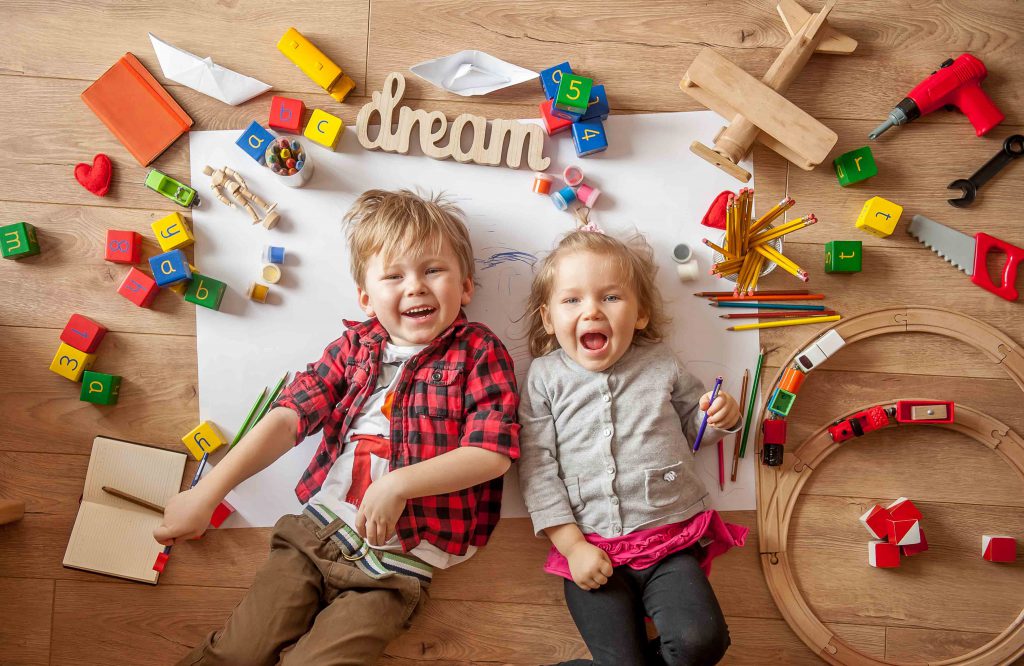
You are the most interesting and important toy for your child – especially if your child is a newborn, baby, toddler or preschooler. Making time for play with your child every day helps her learning and development – and play builds the relationship between you and your child too. You don’t have to do anything fancy – it can be as simple as singing a favourite nursery rhyme, sorting buttons by colour and shape, or having a tea party with your child and her favourite teddy bear. Here are some more ideas for choosing toys and games to suit your child as he grows and develops. In general, it’s a good idea to keep a balance between toys that need a solution, like jigsaw puzzles, and toys that allow for open-ended play. Open-ended toys provide endless play possibilities – for example, your child might use blocks to build a tower one day, and a house the next day. Toys and games for newborns You’re the best ‘toy’ for your newborn. Newborns love watching your face, listening to your voice and just being with you. Newborn play is simple. As your baby grows, she’ll enjoy looking at a brightly coloured mobile, listening to a wind-up musical toy or learning to reach for a rattle. Toys with contrasting colours like red, black and white are most interesting to newborns. Your baby will also enjoy toys with faces or with patterns like curves or checks. Keep in mind that newborns can’t focus on objects more than about 30 cm from their faces, so things might need to be quite close to your baby for him to see them clearly. Newborns also enjoy nursery rhymes and songs, especially ones with actions – for example, ‘Round and Round the Garden’ or ‘Twinkle, Twinkle Little Star’. If your baby looks tired or overwhelmed when you’re playing together, it’s time to take a break. It’s only play if she’s enjoying herself. Toys and games for babies and toddlers Your baby or toddler will probably enjoy playing with push-along toys, soft balls, cuddly teddies, board or cloth books that can’t be ripped, toy cars, simple puzzles and ride-on toys. Blocks are also likely to be a favourite – especially building them up and knocking them down again! Surprise toys like a jack-in-the-box and other cause-and-effect toys are fun from around 10 months on. The initial surprise might upset some children, so introduce these toys gently. Creative, crafty toys and games are good too – you could give your child crayons, finger paint and butchers paper. Make-believe play with hand puppets or dress-ups will also be popular. Reading with babies and reading with toddlers is one of the most enjoyable things you can do. Try books with bright illustrations and fun rhymes. Your pots-and-pans or plastics cupboard can be a great source of entertainment for your young child, as can many other ordinary things around your home. Remember to check for sharp edges, choking risks and other hazards before you give your child household bits and pieces to play with. Outdoor play – for example, in the sandpit with a bucket and spade, or in the park rolling and kicking a ball – will also be lots of fun for your baby or toddler. Children love playing with water. In the bath, your child will enjoy playing with just about anything – boats, toy fish, plastic books and coloured foam shapes. Measuring cups and empty plastic containers are fun for splashing, pouring, tipping and floating. A paddling pool will be hugely popular in warm weather. Toys and games for preschoolers Your preschooler is likely to enjoy anything that can be used for play-acting, like a toy tool box, old mobile phone or dress-up clothes. Your child’s imagination can turn cardboard boxes into lots of things, including a toy stove, letter box, car or boat. You can make musical instruments with household objects – for example, plastic jars filled with rice or pasta can be used as shakers. Unbreakable bowls turned upside down become drums when your preschooler has a wooden spoon to bang with. Quiet play activities are good for when your child needs some downtime. Try art activities like paints, crayons, pencils or cutting and pasting. Books and stories, simple board games and puzzles or construction toys are good for these times too. Outdoor equipment – like a tricycle, cubbyhouse, sandpit or swings (with an adult nearby) – will keep your preschooler busy and active. Balls are fun to throw, hit or kick. Toys and games for school-age kids Your school-age child will probably have a clear idea of what he wants to play with. At this age, you can often be guided by your child’s requests or his particular interests. Even if your child is keen on the latest techno-toy with all the electronic bells and whistles, classic and basic toys will always be popular. These include board games, books, art supplies, construction sets, jigsaw puzzles and outdoor toys like balls, cricket sets, bikes, skipping ropes and so on. Technology – like appropriate computer games, CDs and DVDs – are also popular with this age group. But a healthy family lifestyle includes limits on daily screen time. Your school-age child still benefits from spending time playing with you too. It can be fun to just kick a ball around together after school, or to play a card game before bath time.
Brilliant Tips to Increase Your Child’s Appetite
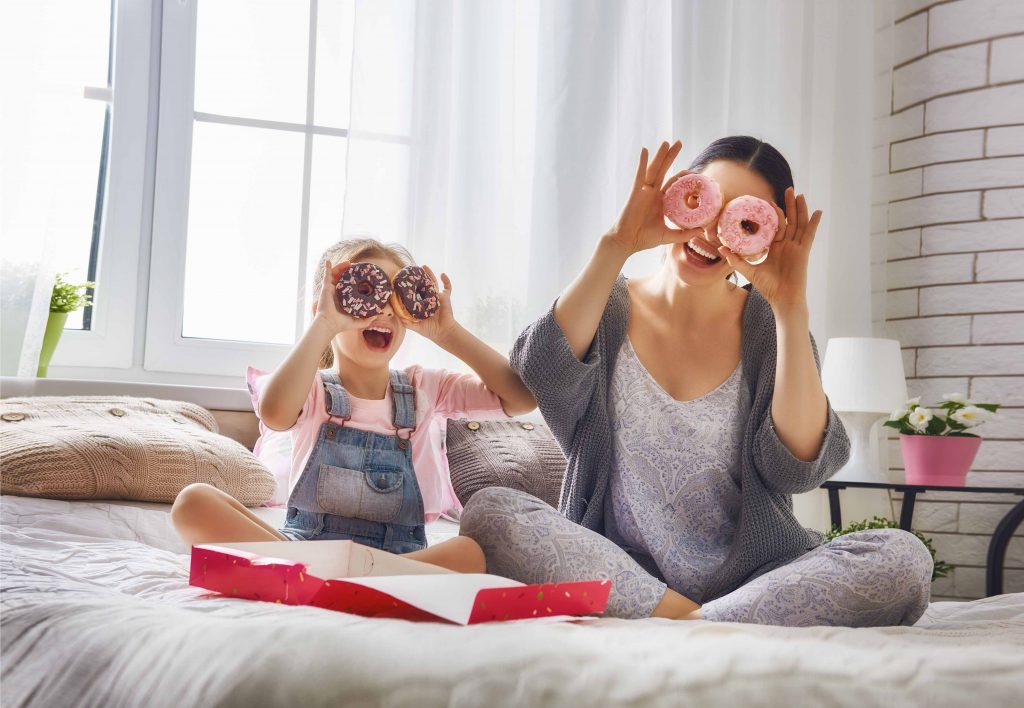
Kids can be picky eaters and it is hard to make them eat what they don’t like. But, at the same time, during their phase of growth and development, it is extremely important to ensure that they get all the nutrients that their body requires and that too, in adequate quantities. So, how do you get your kids to eat nutritious especially if they have a very small appetite and are always looking for excuses to skip their meals? If this question has been bothering you, here are some solutions. Try these tips and tricks to increase your child’s appetite and make them eat better. 1. Never skip breakfast This is an absolute must, not only for adults or those who want to lose weight, but also for kids because breakfast sets the tone for the rest of the day. Eating a good and healthy breakfast breaks the fast after the night, kick-starts their metabolism and is bound to increase their appetite. 2. Keep an eye on their iron levels Low iron levels are known to reduce a child’s appetite. Some reports indicate that at least one in eight toddlers tend to become anemic before the age of 2 years. Kids less than the age of 9 years need about 7 to 10 milligrams of iron a day and those above the age of 9 years need about 8 milligrams of iron daily. You can include iron rich foods like spinach, eggs and lentils in their diet for iron intake. Pair iron rich foods with Vitamin C to increase its absorption and use by the body. 3. Make them drink water 30 minutes before their meal Start your kid’s day with a glass of water. In fact, they should drink water even before they drink milk. Also, make them have water at least 30 minutes before the meals. These basics really help. Water tends to activate the digestive juices and enzymes which increases appetite and also boosts digestion. 4. Add more zinc rich foods to their diet You may have not thought about this but zinc is a very important mineral and is required for many physiological functions such as boosting immunity, regulating the functions of antioxidant and growth and development. A mild deficiency of zinc can cause loss of appetite, weight loss, diarrhea and increases vulnerability to infections. Sneak zinc rich foods such as pumpkin seeds, nuts, spinach, beans and mushrooms in their diet. 5. Give them food every two hours Children need all the energy to study, play around and have fun through the day. If your child is a fussy eater and is never hungry or willing to eat, feed him or her small portions every two hours. The three big meals may not be helping them and so, give them smaller meals every two hours to stimulate their appetite. Give them light snacks or nuts between meals. Peanuts are known for their appetite-boosting and protein building properties. to these basic rules and gradually your child be will learn to eat healthy, adequate meals and at the right time.
Sun safety for babies and children
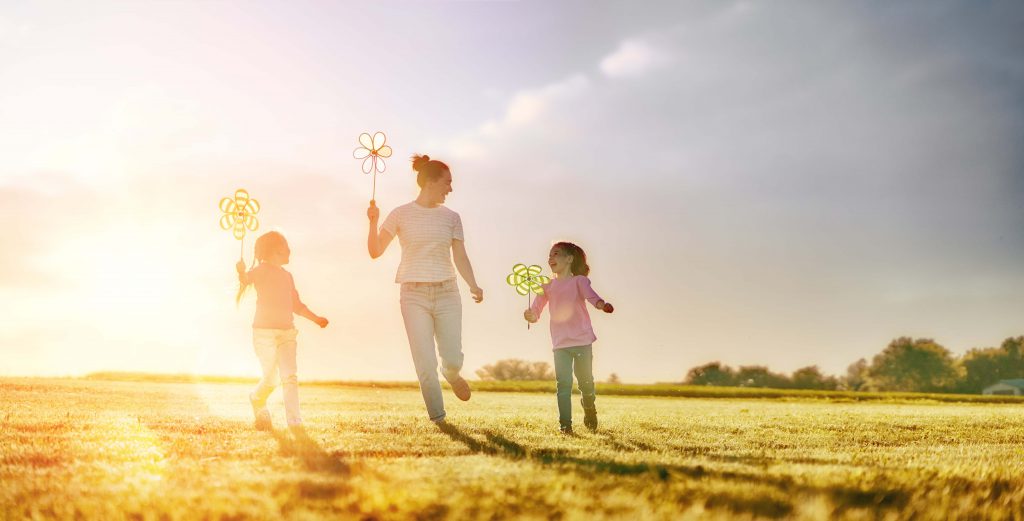
Sun safety: why it’s important Too much sun can lead to sunburn, skin damage, eye damage, skin cancer and a weakened immune system.Your child needs some sun to help her body to make vitamin D, which is important for things like strong bones and muscles. But you have to be careful about how much sun your child gets on her skin. Sun safety at different times of year and day Your child’s sun protection needs change at different times of year and different times of day. That’s because ultraviolet (UV) radiation varies during the year and across Australia depending on the season.UV radiation levels are highest between about 9 am and 4 pm, depending on where you are in Australia and the time of year. Your child needs sun protection when the UV radiation level is 3 or above.You can check the UV levels for your area using the SunSmart app on this page or the Bureau of Meteorology UV and sun protection guide. Shade Shade gives you and your child some protection from UV radiation. Dense shade that creates a dark shadow is best.But UV can still reach you in the shade. So even if you’re sitting in the shade, make sure you and your child wear protective clothing, including sunglasses and a broad-brimmed hat. Use sunscreen on any exposed skin.If you’re using a pram, cover it with a shade cloth that lets air get through to your child. Alternatively, some prams have adjustable canopy tops that can move and offer shade as the sun’s position changes.If you can’t find shade, make your own using an umbrella or sunshade. Always keep window shades in your car to stick on side windows and protect your child while you’re driving. Protective clothing Here are some things to think about when you’re looking for sun-protective clothing for your child: • Tightly woven fabric helps protect your child’s skin from the sun. Hold the fabric up to the light to see how much sun gets through. If the fabric lets a lot of light through, it’ll probably let a lot of UV through too. • Long sleeves and long pants cover up more of your child’s skin. Elbow-length sleeves and knee-length shorts are best if it’s too warm for full-length clothing. • Wetsuits and rash vests are a great way to protect your child from the sun when swimming or doing other water activities. • Cotton clothing is cooler than clothing made from acrylic fibres. • Loose-fitting clothing is cooler. Look out for sun-protective clothing with an ultraviolet protection factor (UPF) rating of 50+. This rating gives your child the best available protection from the sun. Hats A hat protects your child’s face, neck and ears from the sun’s UV. Bucket, broad-brimmed and legionnaire’s hats give the best protection. Caps aren’t recommended.For babies, look for a soft hat so that your baby can still lie down comfortably while he’s wearing it. A chin strap will help keep it on your baby’s head. Many babies and toddlers don’t like wearing hats – keep trying and eventually hats will become part of your child’s routine. Sunglasses Wearing sunglasses as well as a hat can help protect your child’s eyes. Look for close-fitting, wrap-around sunglasses that meet Australian Standard AS/NZS 1067:2003. Prolonged exposure to UV is a risk factor for cataracts. Sunscreen Use a sun protection factor (SPF) 30 or higher broad-spectrum, water-resistant sunscreen on your child’s face, hands and any other parts of his skin that aren’t covered by clothes. Make sure to use plenty of sunscreen – many people don’t use enough, so they don’t get the protection they need.Apply sunscreen at least 20 minutes before you go outside, and reapply it every two hours, even if the tube or bottle says four hours.Make sure sunscreen is within its use-by date, and keep it stored in a cool, shady place under 30°C.Remember that sunscreen filters UV radiation, but doesn’t completely block it out. You need to seek shade and put your child in sun-protective clothing as well. Sunscreen and babies If your child is less than six months of age, it’s best not to put sunscreen on her regularly – shade, clothing and hats are the most important way to protect her.Sunscreens labelled ‘for babies’ or ‘sensitive’ are less likely to cause skin irritation. Always test the sunscreen on a small area of your baby’s skin to check for any skin reactions. Role-modelling You are your child’s most important role model, and your child copies what you do. If you take sun safety precautions yourself, your child is more likely to do it too.
Dressing baby for bed
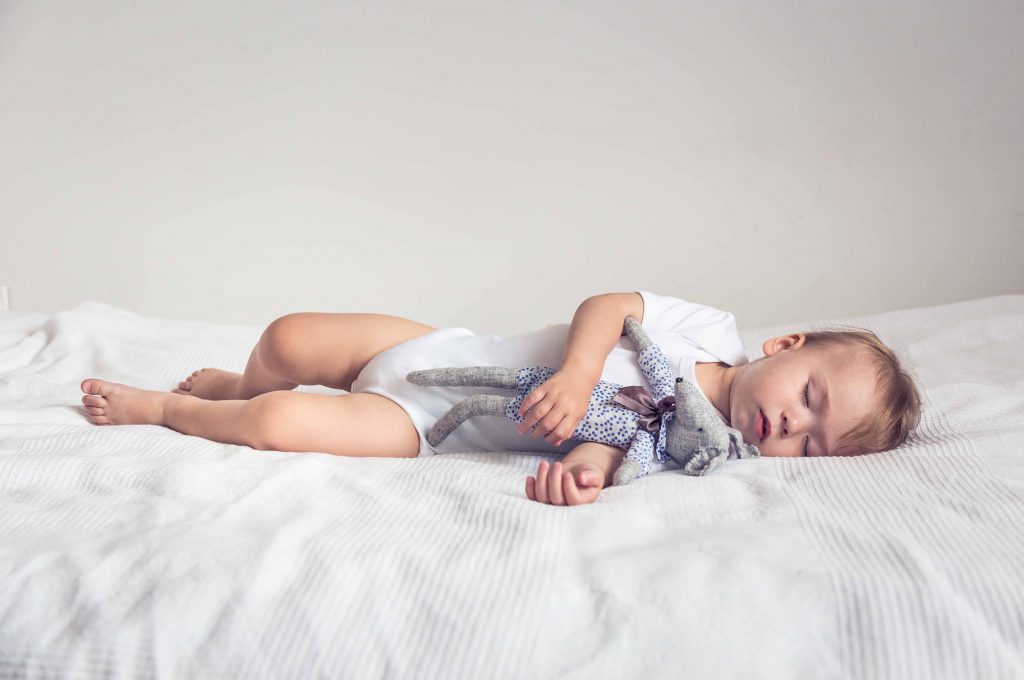
Choosing the right clothes Dress your baby in enough warm clothes to keep her warm without blankets. Once she can roll over, she can get out from under the blankets and get cold. If you dress your baby in layers of fitted clothing, you can add or take away layers as the temperature changes.When you’re dressing baby for bed, a handy tip is to think about what you’d wear to bed and use that as a guide. Hats and beanies Babies cool themselves down by releasing heat from their heads and faces. Your baby can quickly overheat if he falls asleep wearing a hat or beanie. So it’s important to keep your baby’s head uncovered when he’s asleep so that he doesn’t get too hot. Headwear in bed can also be a choking hazard.Take off your baby’s hat or beanie when you go indoors or into any closed or warm space, like a car, so that she doesn’t overheat. Baby’s temperature Your baby’s hands and feet might feel cool, but this isn’t a good indication of his temperature. You can find out how hot your baby really is by feeling his back or tummy.If you use a baby carrier or sling, keep in mind that your baby will be warmed by your body heat as well as by her clothes and wraps. Room temperature You don’t need to monitor the temperature in your baby’s room – just dress your baby as you would dress yourself.If your baby’s room is too warm, you could use a plug-in floor fan to keep the room at a comfortable temperature.The safest place for a fan is on the opposite side of the room, away from your baby.Never use electric blankets or hot water bottles to warm your baby up during colder weather. Baby wrapping Wrapping helps your baby settle for sleep, as well as stay in the safe sleeping position on his back.If you choose to wrap your baby, it’s best to use lightweight cotton or muslin wraps. Make sure the wrap doesn’t go above your baby’s shoulders or cover her head, ears or chin. Wraps that are too high can obstruct your baby’s breathing and cause her to overheat.Also check that there’s enough room for your baby to stretch his legs and that the wrap isn’t too tight around his chest and hips. Wrapping a baby’s legs and chest too tightly can lead to hip and breathing problems.Babies can be wrapped from birth until they start showing signs that they can roll onto their tummies, usually around four months. Baby sleeping bags A safe infant sleeping bag can be a good option for dressing baby for bed.A correctly sized sleeping bag is the best way to keep your baby’s head and face uncovered, and helps reduce the risk of SUDI including SIDS and fatal sleeping accidents. It can also help stop your baby from rolling onto his tummy during sleep, and contain his legs so they don’t hang out through the cot’s rails.If your baby needs extra warmth, you can put a single, lightweight blanket over the sleeping bag. Just make sure the blanket is firmly tucked in and doesn’t go past your baby’s chest.Check that it’s impossible for your baby to slip down into the bag and become completely covered. Red Nose recommends that you use a sleeping bag that has a fitted neck and armholes but no hood.
Healthy food for babies and toddlers
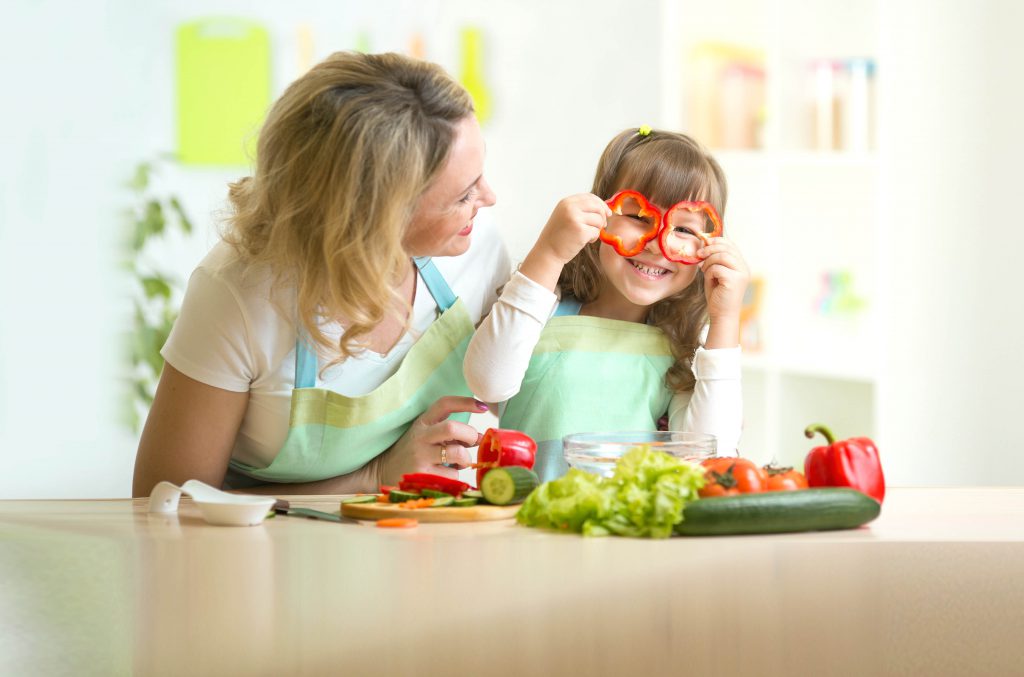
What is healthy food for babies and toddlers? Healthy food for babies and toddlers includes a wide variety of fresh foods from the five healthy food groups: • vegetables • fruit • grains • dairy • protein. Each food group has different nutrients, which your child’s body needs to grow and work properly. That’s why we need to eat a range of foods from across all five food groups. Fruit and vegetables Fruit and vegies give your child energy, vitamins, anti-oxidants, fibre and water. They help protect your baby against diseases later in life, including diseases like heart disease, stroke and some cancers.It’s a good idea to offer your baby fruit and vegetables at every meal and for snacks. Try to choose fruit and vegies of different colours, textures and tastes, both fresh and cooked.Wash fruit to remove dirt or chemicals, and leave the skin on, because the skin contains nutrients too. Grain foods Grain foods include bread, pasta, noodles, breakfast cereals, couscous, rice, corn, quinoa, polenta, oats and barley. These foods give your child the energy she needs to grow, develop and learn.Grain foods with a low glycaemic index, like wholegrain pasta and breads, will give your child longer-lasting energy and keep him feeling fuller for longer. Dairy Key dairy foods are milk, cheese and yoghurt. These foods are high in protein and calcium.Dairy foods can be introduced from around six months of age. But make sure that breastmilk or infant formula is your baby’s main drink until around 12 months of age. After that, she can start drinking full-fat cow’s milk.Because children in this age group are growing so quickly and need lots of energy, they need full-fat dairy products until they turn two. Protein Protein-rich foods include lean meat, fish, chicken, eggs, beans, lentils, chickpeas, tofu and nuts. These foods are important for your child’s growth and muscle development.These foods also contain other useful vitamins and minerals like iron, zinc, vitamin B12 and omega-3 fatty acids. Iron and omega-3 fatty acids from red meat and oily fish are particularly important for your child’s brain development and learning. Healthy drinks Water is the healthiest drink for children over 12 months. It’s also the cheapest. Most tap water is fortified with fluoride for strong teeth too.From six months, breastfed and formula-fed babies can have small amounts of cooled boiled tap water from a cup. Foods and drinks to avoid Your child should avoid ‘sometimes’ foods. These foods include fast food and junk food like hot chips, potato chips, dim sims, pies, burgers and takeaway pizza. These foods also include cakes, chocolate, lollies, biscuits, doughnuts and pastries.These foods are high in salt, saturated fat and sugar, and low in fibre and nutrients. Eating too much of these foods can increase the risk of childhood obesity and conditions like type-2 diabetes.Your child should also avoid sweet drinks like fruit juice, cordials, sports drinks, flavoured waters, soft drinks and flavoured milks. Sweet drinks are high in sugar and low in nutrients. They can cause weight gain, obesity and tooth decay. These drinks fill your child up and can make him less hungry for healthy meals. And if children start on these drinks when they’re young, it can kick off an unhealthy lifelong habit.Foods and drinks with caffeine aren’t recommended for children, because caffeine stops the body from absorbing calcium well. Caffeine is also a stimulant, which means it gives children artificial energy. These foods and drinks include coffee, tea, energy drinks and chocolate. Healthy alternatives for snacks and desserts It’s fine to offer your child snacks, but try to make sure they’re healthy – for example, grated or thinly sliced carrot.The same goes for dessert at the end of a meal. Sliced fruit or yoghurt is the healthiest option. If you want to serve something special, try homemade banana bread. Save the seriously sweet stuff, like cakes and chocolate, for special occasions like birthdays.